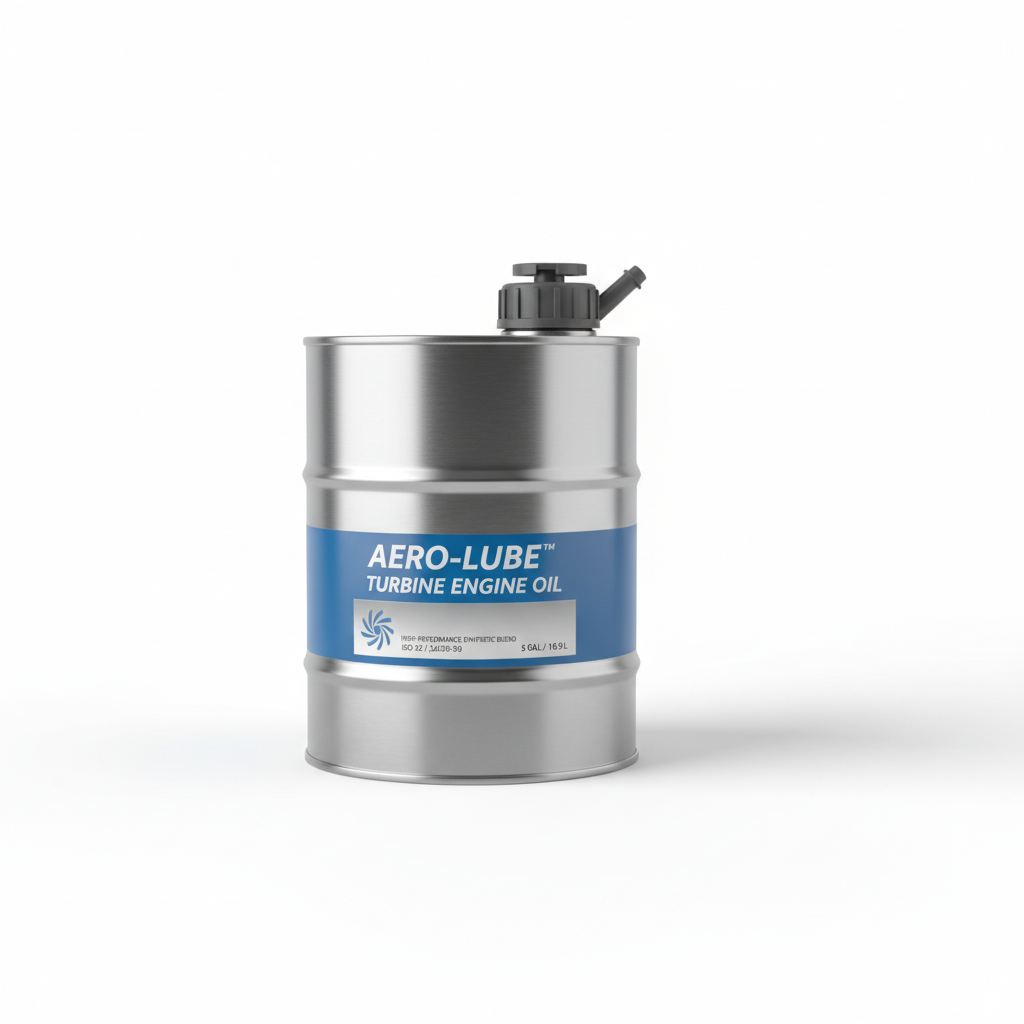
When it comes to maintaining the efficiency and longevity of turbines in industries across the UAE, turbine engine oil plays a crucial role. Operating under extreme conditions, turbines face high temperatures, heavy loads, and fluctuating pressures. Choosing the right turbine oil and understanding the factors that affect its performance can save businesses from costly downtime and equipment failures. In this blog, we explore six key factors that influence turbine oil performance and how you can ensure your turbines run smoothly even in the harshest environments.
1. Viscosity: The Heart of Lubrication
Viscosity refers to the thickness of the oil and its ability to flow under different temperatures. In extreme conditions, maintaining optimal viscosity is essential. If the oil is too thin, it may fail to provide adequate lubrication, increasing wear and tear. Conversely, overly thick oil can hinder flow, leading to inefficiency and overheating. Selecting turbine engine oil with the right viscosity grade ensures consistent protection for your machinery.
2. Thermal Stability: Handling High Temperatures
Turbines often operate at elevated temperatures, especially in power plants and industrial facilities. Turbine engine oil must resist thermal degradation to prevent sludge formation and maintain its protective properties. Oils with high thermal stability reduce oxidation rates, which prolongs service life and enhances performance. Regular monitoring and timely replacement of oil are crucial for high-temperature operations.
3. Oxidation Resistance: Extending Oil Life
Oxidation occurs when turbine oil reacts with oxygen over time, forming acids and sludge that can damage turbine components. Oils with strong oxidation resistance maintain chemical integrity, protect internal parts, and reduce the frequency of oil changes. Choosing a high-quality turbine engine oil with additives that combat oxidation ensures reliable performance in demanding UAE climates.
4. Load-Carrying Capacity: Protecting Against Wear
Turbine components are subject to heavy loads, and insufficient lubrication can cause friction, wear, and eventual failure. The load-carrying capacity of turbine oil is determined by its additive package, which helps form a protective film on metal surfaces. This reduces direct contact, minimizes wear, and maintains efficiency even under extreme operational stress.
5. Water and Contamination Resistance: Guarding Against Corrosion
Water ingress and contamination are common issues in industrial environments. Turbine engine oil that resists emulsification and contaminant accumulation protects turbines from corrosion, rust, and performance degradation. Regular testing for moisture content and contaminants, along with using oil with strong water separation properties, ensures machinery stays in top condition.
6. Compatibility with Turbine Materials
Different turbines may use various metals and elastomers, and not all oils are compatible with every material. Incompatible oil can cause seal degradation, leakage, and mechanical issues. It’s vital to select turbine engine oil that is specifically formulated for your turbine type, ensuring seamless compatibility and maximum protection.
Conclusion: Ensuring Peak Performance with Apex Lube
Understanding these six factors—viscosity, thermal stability, oxidation resistance, load-carrying capacity, water and contamination resistance, and material compatibility—can significantly enhance turbine performance under extreme conditions. For industries in the UAE looking for reliable and high-quality turbine engine oil, Apex Lube offers products engineered to meet the toughest operational demands, ensuring your turbines operate efficiently and safely.